
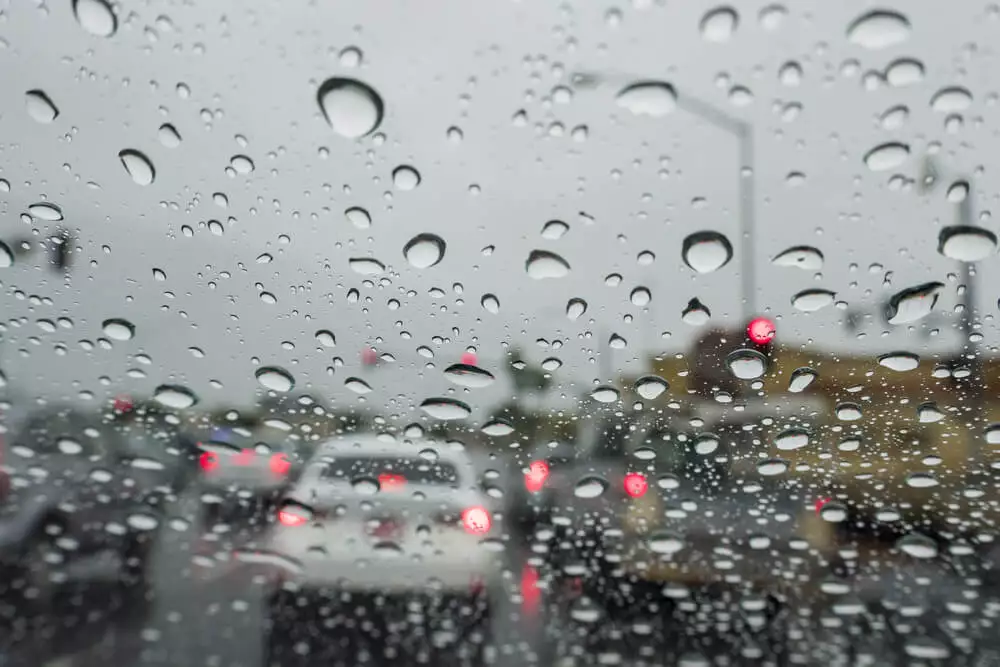
Driving in wet weather can be challenging, even for experienced motorists. Rain, poor visibility, and slippery roads increase the risk of accidents — which is why knowing the right wet weather driving tips is essential. Whether you’re a learner driver or just want a safety refresher, this guide will help you stay in control, avoid hazards, and drive with confidence when conditions take a turn for the worse.
Adjust Your Driving in Wet Weather
First and foremost: slow down! It takes longer to stop or adjust in wet weather. Stay toward the middle lanes – water tends to pool in the outside lanes. Maintain proper following distance (3 Second Rule). This needs to be increased in wet weather. Drive in the tracks of a car ahead of you.
According to the RSA, increasing your following distance is key during wet weather.” Don’t follow large trucks or buses too closely. The spray created by their large tires reduces your vision. Take care when passing them as well; if you must pass, do so quickly and safely.
Be more alert when driving in wet or slippery conditions. Watch out for brake lights in front of you. Avoid using your brakes; if possible, take your foot off the accelerator to slow down.
Turn your headlights on even in light rain, fog, or overcast weather. Not only do they help you see the road, but they also help other drivers see you. If your car has daytime running lights, you should still turn them on so vehicles behind you can see you better. Replace old or brittle wipers before it starts to rain.
Watch for Limited Visibility and Unexpected Hazards
Never drive beyond the limits of visibility. At night, rainy roads become especially dangerous. The glare from oncoming lights, amplified by rain on your windscreen, can temporarily blind you. Pedestrians, animals, and wildlife are harder to spot and even harder to avoid in the rain.
Avoid off-road driving — puddles can be deeper than they appear and can trap your vehicle, even if you drive a 4WD. Never drive through moving water unless you can see the ground. Driving through deep puddles slowly is key. If the water is deeper than the bottom of your doors, turn around and find another route.
Avoid splashing pedestrians and, if possible, stay off the road during heavy thunderstorms. Lightning can disorient you, and strong winds with heavy rain create dangerous driving conditions.